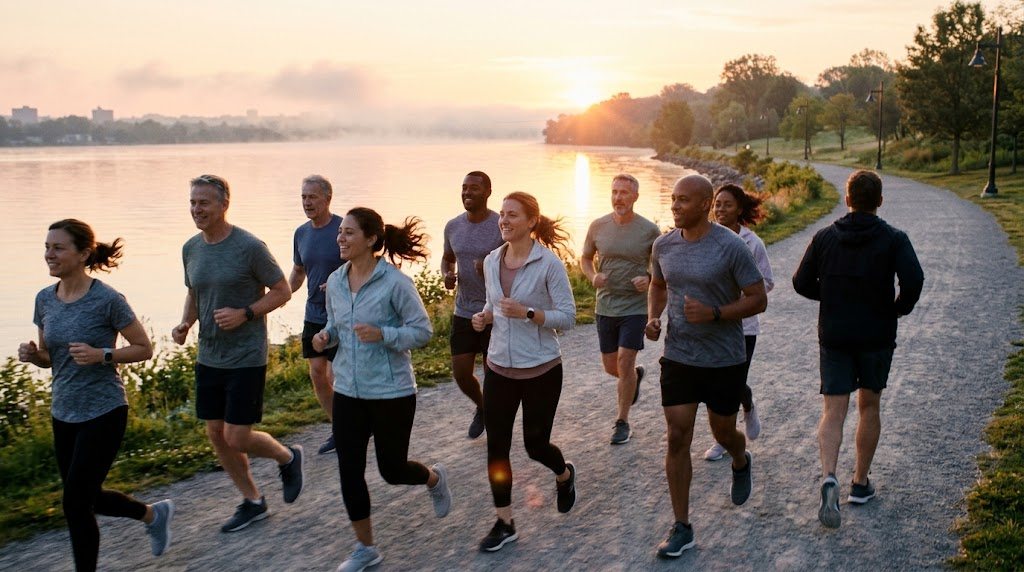
Screenings, movement, sleep and nutrition programs are some of the most appreciated benefits at work. Here is the research behind them and how global teams can offer them well.
Preventive health benefits are having a moment. Employees increasingly want support that helps them stay well, not only care when they are unwell, and employers are finding that screenings, fitness, sleep and nutrition programs are among the most appreciated perks they can offer.
These benefits also fit naturally with global teams. Movement, rest and good food matter in every culture, and well-designed programs can adapt to local habits while sharing a common goal: helping people feel their best for the long run.
This article describes workplace program ideas and published public health guidance. It is not medical advice.
Employees want help staying well
Mercer Marsh Benefits' Health on Demand 2025 report, released in May 2025 and based on a survey of more than 18,000 employees across 17 markets, shows clear interest in preventive care. In the survey, 38% of employees said they value insurance coverage or discounts for routine doctor's visits, and 36% said they value preventive cancer screenings.
The same report found that fewer employers currently provide these benefits (19% and 13% respectively), which points to a real opportunity. Companies that add preventive options are meeting a need their people have already expressed.
Employers are moving in this direction. WTW's 2025 Benefit Trends Survey found that 62% of employers provide medical benefits supporting women's health, including menopause, a sign that preventive and life-stage support is becoming mainstream.
Screenings made simple
Preventive screenings work best when they are easy to access. For a multi-country team, that usually means partnering with trusted local providers in each market so employees can book check-ups close to home or work.
Popular approaches include:
- Annual health check days hosted on site or at partner clinics.
- Personal reminders that nudge employees when routine check-ups are due.
- Paid time for appointments, so preventive visits never compete with deadlines.
- Family coverage that extends screenings to partners and dependents.
The aim is to make the healthy choice the easy choice. When booking a check-up takes two minutes and fits inside the workday, more people do it. Clear guides in each local language, listing nearby partner clinics and how to book, help every office get started quickly.
Movement that fits every lifestyle
Physical activity has some of the strongest evidence behind it. The World Health Organization recommends that adults aged 18 to 64 get at least 150 to 300 minutes of moderate-intensity aerobic activity per week, or 75 to 150 minutes of vigorous activity, plus muscle-strengthening activities on two or more days.
The WHO lists wide-ranging benefits: regular activity helps prevent and manage heart disease and diabetes, improves mood and supports mental health. The US Centers for Disease Control and Prevention adds an encouraging detail: the weekly total can be split into smaller chunks, such as 30 minutes a day, five days a week.
That flexibility makes fitness benefits easy to design for global teams:
- A wellness allowance that employees can use for a gym, yoga studio, sports club or home equipment.
- Team step challenges that connect offices across countries.
- Walking meetings for one-to-one conversations.
- Short movement breaks built into long workshops.
Sleep as a performance benefit
Sleep is gaining recognition as a foundation of wellbeing. The American Academy of Sleep Medicine and the Sleep Research Society recommend that adults get seven or more hours of sleep per night, noting that "sleep is critical to health." They also emphasize that good sleep depends on regular timing and quality, not only duration.
Employers can help in practical ways. Sleep education programs, digital sleep coaching apps and meeting norms that protect evenings all support better rest. For global teams, thoughtful scheduling matters most. Rotating early and late meetings across regions means no one consistently sacrifices sleep for a call.
Simple sleep-friendly practices
- Set "quiet hours" when nonurgent messages wait until morning.
- Use scheduled send so emails arrive during the recipient's working day.
- Offer workshops on sleep habits led by qualified experts.
- Give people recovery time after long-haul travel for offsites.
Nutrition programs people enjoy
Nutrition benefits work best when they are positive and practical rather than prescriptive. Many companies now offer healthy snacks in offices, healthy meal options, access to registered dietitians and cooking classes that celebrate different cuisines.
For global teams, food is also a great connector. A virtual cooking session where colleagues from Mexico City, Mumbai and Milan each share a favorite healthy recipe combines wellbeing and belonging in one hour. It is the kind of benefit people talk about for weeks.
Designing wellness for many cultures
The best preventive programs for global teams share a common framework but feel local. Fitness traditions, food cultures and health systems differ from country to country, so the most popular benefits give people choices that match the way they already live.
A flexible wellness allowance is a great example. One employee might use it for cricket club membership, another for a cycling class, a third for a meditation app. Each choice supports the same goal, and each person feels the benefit was designed with them in mind.
Local wellness champions can help too. A volunteer in each office who organizes a lunchtime walk, shares healthy recipes or hosts a monthly stretch session keeps the program visible and fun. Global challenges, such as a friendly step competition between offices, then tie everything together.
A longevity mindset at work
Interest in healthy longevity has grown well beyond research labs. Employees are reading about sleep, strength training and preventive care, and they appreciate employers who share that interest. A longevity-minded benefits approach simply means supporting the everyday habits that help people stay healthy over many years.
The advantage of this framing is that it is personal and optimistic. Rather than focusing on illness, it focuses on energy, strength and quality of life, goals that motivate people at every age and in every country.
Small health habits, big team energy
Preventive health perks give employees something they clearly want: practical support for staying well. They also travel easily across borders, adapting to local providers and customs while sharing a common purpose.
A practical starting plan:
- Ask your people. Survey employees in each country about the preventive benefits they would use most.
- Start with access. Make routine check-ups and screenings easy to book, with paid time to attend.
- Offer a flexible wellness allowance. Let people choose the movement, sleep or nutrition support that fits their lives.
- Protect rest. Build meeting norms that respect sleep across time zones.
Small steps add up. A global team that moves more, sleeps better and stays on top of preventive care is a team with more energy for the work and the people they care about.
Sources
- Mercer Marsh Benefits, "Health on Demand 2025" report release, May 14, 2025.
- WTW, "Employers prioritise core benefits and wellbeing but the disconnect with employee needs persists," September 18, 2025.
- World Health Organization, "Physical activity" fact sheet, 2021.
- US Centers for Disease Control and Prevention, "Adult Activity: An Overview," December 20, 2023.
- American Academy of Sleep Medicine, "Seven or more hours of sleep per night: A health necessity for adults," June 2015.